Claude vs ChatGPT for Writing - Which is Better?
Discover which writing tool excels - Claude or ChatGPT? Compare features and see which wins.

Eddie
February 6, 2026

In the world of writing, AI tools like Claude and ChatGPT have transformed the landscape. They offer unique features and capabilities that cater to various writing needs. As AI writing tools evolve, they have grown to accomplish more than just grammar checks or content expansion. Claude, developed by Anthropic, and ChatGPT, powered by OpenAI, are two standout tools in this domain, each boasting distinct strengths. While Claude excels in generating long-form, structured, and research-heavy content, ChatGPT shines with creative, conversational writing, making it ideal for engaging blogs, emails, and multimedia tasks.
Key Features of Claude and ChatGPT

Overview
Claude and ChatGPT are two of the top language models designed to assist with various writing tasks. Claude, developed by Anthropic, is renowned for its ability to handle lengthy, structured writing projects. It offers features like a massive memory window, which makes it particularly suitable for managing long documents or research papers. Its formal tone and accuracy make it a standout for technical and academic writing.
ChatGPT, developed by OpenAI, is more versatile with strengths in creative, conversational, and multimedia writing. It supports text, voice, audio, and image inputs, making it highly adaptable. This flexibility, combined with ChatGPT's excellent capabilities in handling complex reasoning and problem-solving, makes it a popular choice for tasks such as marketing copy, storytelling, and email drafting.
Writing Quality and Style
When it comes to writing quality and style, Claude is ideal for tasks requiring clarity and formality. It excels in constructing logical, structured responses, which are vital for legal, policy writing, and technical content. Users appreciate its ability to maintain a professional tone without unnecessary filler, ensuring concise and clear communication.
Conversely, ChatGPT shines with its more dynamic and adaptable writing style. Known for its human-like tone, it is excellent for creative storytelling, blog posts, and brand communications. This adaptability allows users to specify stylistic variations, such as humor or informal tones, which makes ChatGPT feel more natural and engaging in dialogue-driven content.
Handling Long-Form Documents
Claude takes the lead with its ability to process up to 200,000 tokens at once, which makes it highly effective in analyzing and generating large documents such as books, multi-chapter reports, and long legal contracts. This extensive token capacity allows for maintaining consistency and comprehensiveness throughout lengthy texts.
ChatGPT has expanded its capabilities but primarily caters to mid-sized reports or articles. It provides effective summarization and rewriting capabilities, which are beneficial for keeping content concise and engaging without losing important context. While its token window has increased over time, for the most demanding long-form tasks, Claude remains the preferred choice.
Specialization and Use Cases
Claude for Structured, Formal Writing
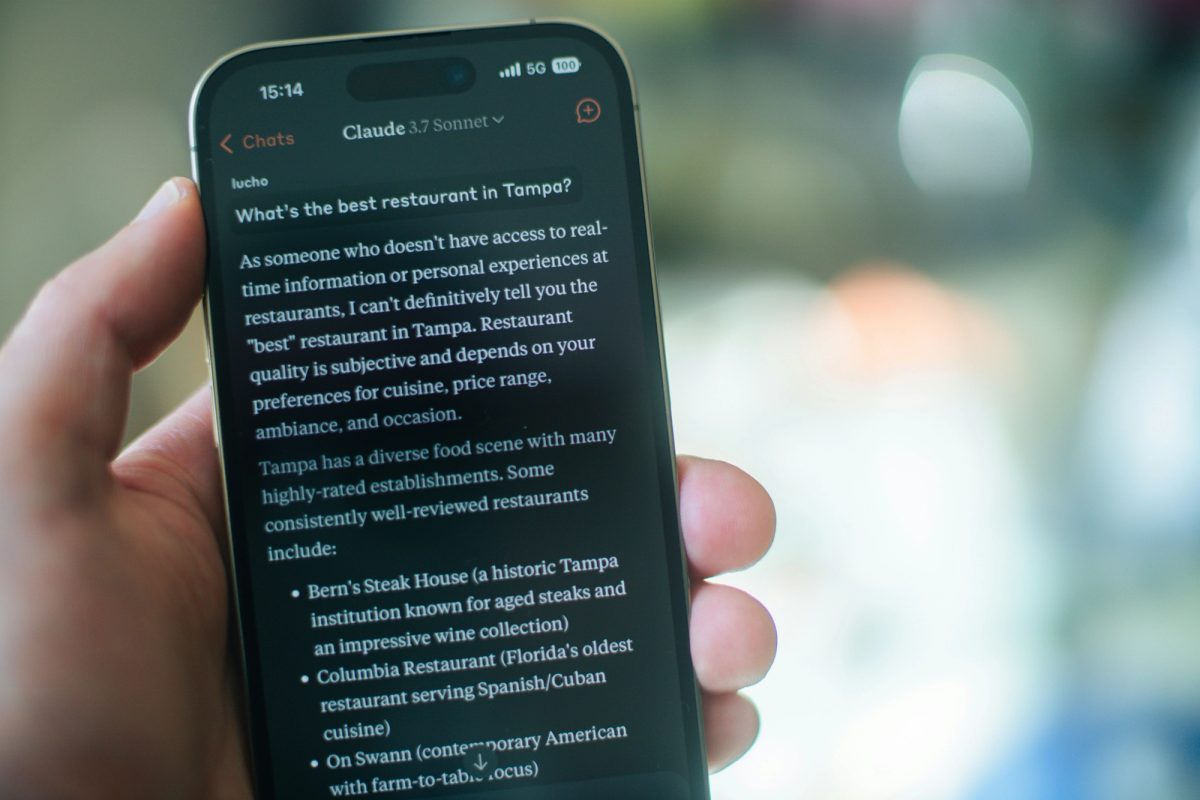
Claude is preferred for its strengths in structured, formal writing. It is particularly well-suited for legal documents, academic reports, and technical documentation. The model's clarity and attention to detail ensure that complex ideas are articulated precisely, which is crucial in clarifying legal or research data. Claude's ability to manage vast amounts of data simultaneously makes it indispensable in academic and policy-making environments.
ChatGPT for Creative and Conversational Writing
ChatGPT excels in creative, conversational writing, making it a favorite for generating blog content, social media posts, and storytelling. Its capability to handle multimodal inputs supports diverse writing tasks, like integrating images in content or leveraging audio dictation for drafting. This makes ChatGPT ideal for engaging content that benefits from a more personal or varied tone, such as marketing or brand communications.
Best Use Cases for Each Tool
- Claude - Ideal for scholars, legal professionals, and technical writers who need a reliable tool for producing or refining content that demands precision and extensive documentation. Its capacity to process large chunks of data and maintain detailed consistency across documents makes it invaluable for in-depth analysis and structured writing.
- ChatGPT - Best for content creators, marketers, and writers involved in interactive or narrative projects. It thrives in generating engaging copy for advertising, casual communications, and brainstorming creative ideas. Its versatile input types and stylistic flexibility allow it to explore broader creative avenues and maintain reader interest with a personalized touch.
Choosing between Claude and ChatGPT depends heavily on the specific writing tasks at hand. For those dealing with detailed, structured, and lengthy documents, Claude is an excellent choice. But for those who require versatility in style and media, particularly for creative projects, ChatGPT offers unmatched flexibility and engagement.
Practical Testing and Results
Side-by-Side Comparisons
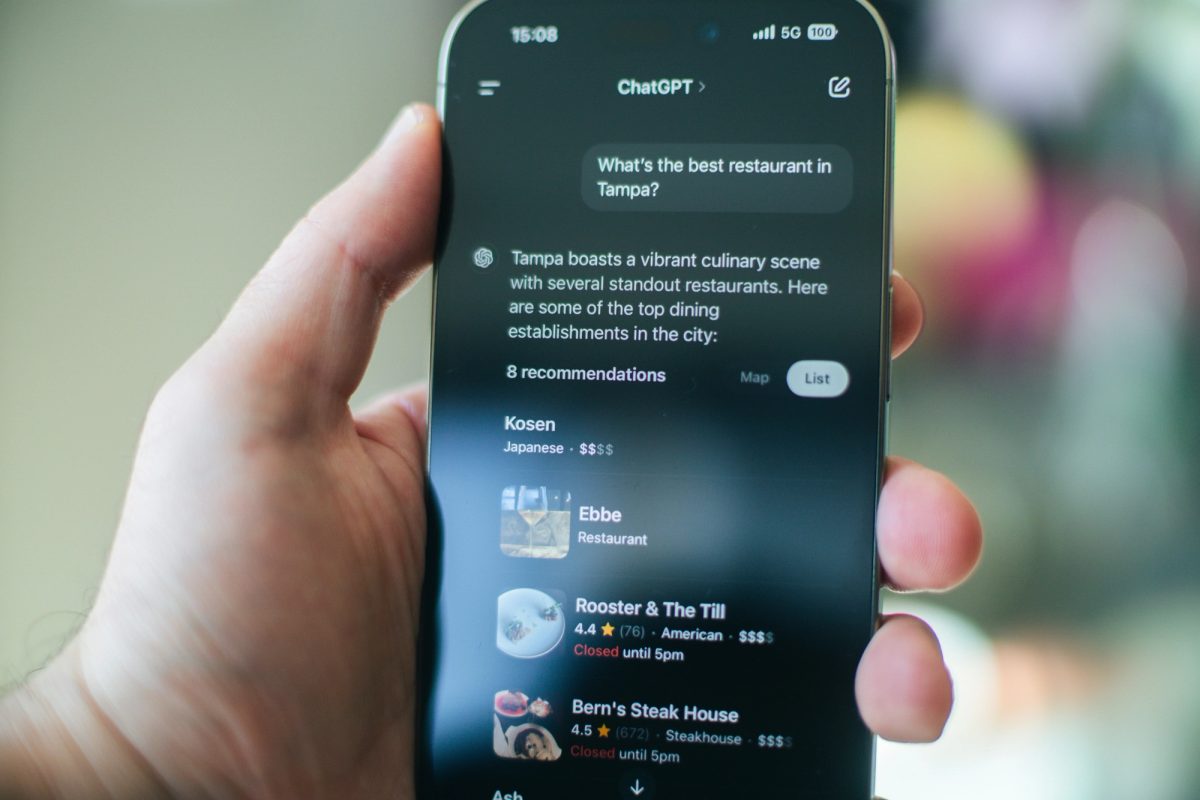
When it comes to practical testing, the differences between Claude and ChatGPT become more apparent through side-by-side comparisons across varied writing tasks. In structured and long-form writing tasks, Claude stands out due to its large context window that supports up to 1 million tokens. This makes it adept at handling comprehensive drafts and detailed documents such as research papers and long manuscripts. Conversely, ChatGPT excels in creative and more dynamic writing tasks, offering flexibility and warmth in its responses. This makes it ideal for crafting engaging blog posts, marketing copy, and storytelling.
In a test scenario where both were tasked to create short-form content, ChatGPT was preferred for its succinct, direct approach, making it suitable for platforms where brevity is crucial. Claude, on the other hand, delivered a more narrative-driven output, adding depth and detail which, while ideal for articles, proved excessive for short-form content.
User Experiences and Feedback
User feedback further highlights distinct preferences. Many users report that Claude’s writing feels more natural and human-like, which aligns well with tasks demanding a conversational tone. They appreciate Claude’s ability to generate cohesive, expressive content. For users who prioritize content refinement, Claude’s expressive capabilities align well with editing and polishing tasks.
Conversely, users favor ChatGPT for its versatility and ability to brainstorm a broad spectrum of ideas. It navigates abstract reasoning well, proving useful for generating new concepts and creative content. As such, ChatGPT remains a favorite for initial drafts and when engaging in creative processes.
Tips for Testing and Decision-Making
When deciding which AI tool aligns better with your writing needs, it's essential to test both AIs on specific tasks closely related to your objectives:
- Identify Core Needs - Determine whether your primary requirement is long-form, analytical writing or quick, engaging content.
- Conduct Detailed Tests - Use a consistent workflow to test both AIs, observing which better meets your needs concerning tone, language style, and prompt handling.
- Evaluate Outputs - Consider which AI provides more usable content for your specific context, requiring less editing or adjustments.
- Flexibility in Usage - Remember, each AI may excel in distinct types of tasks. Don’t hesitate to use both, leveraging ChatGPT for creative drafts and Claude for refining detailed documents.
By methodically testing each tool within the contexts relevant to your work, you’ll discover which AI delivers the best outcomes for your individual writing tasks, ultimately enhancing productivity and content quality.