Using AI to Learn New Programming Languages
Explore AI-driven tools to efficiently learn and master new programming languages.

Eddie
February 10, 2026
Programming is rapidly changing, and the need for multilingual capabilities is more prominent than ever. Developers today are navigating an increasingly diverse tech landscape, requiring knowledge of multiple programming languages and frameworks. This can be an overwhelming prospect for many. Fortunately, AI coding tools like GitHub Copilot and ChatGPT are revolutionizing how developers learn new programming languages by providing real-time assistance and personalized guidance.
Real Developer Experiences
Kedasha Kerr's Journey with GitHub Copilot
Kedasha Kerr, a seasoned JavaScript developer, ventured into the world of machine learning and found herself faced with the challenge of learning Python, a language she was not previously well-versed in. To tackle the complexities of Python, Kedasha turned to GitHub Copilot. She utilized Copilot's chat functionality to interact with the AI in a conversational style, asking questions about Python's syntax and best practices. For Kedasha, this tool became indispensable, acting as a guide to help her understand and visualize concepts that were new to her.
Kedasha shared her experience: "I would see an example from the professor, then ask Copilot to explain it as if I was a high school student with zero coding experience. The ability to break down problems step by step made Copilot a fantastic learning companion." Her experience demonstrates how AI can deliver tailored learning experiences, providing personalized guidance that can facilitate a more profound understanding of a new programming language.
Alessio Fiorentino's Experience with Rust and AI
Alessio Fiorentino, a DevOps architect, also explored the potential of AI tools, specifically for learning Rust. Known for its complexity and nuanced approach, Rust presents a challenging learning curve, particularly for those accustomed to languages like Python or JavaScript. Alessio leveraged AI tools to help bridge his knowledge gap and improve his coding skills with Rust.
He noted: "AI helps me learn and write better Rust code by providing contextually relevant guidance without the need for trial and error." He emphasized how AI tools deliver focused results that align with the specific challenges developers face, thus making learning more efficient. Alessio's story highlights AI's capacity to streamline coding processes, ultimately allowing developers to concentrate more on mastering core concepts and less on overcoming logistical hurdles.
Andreas Andersson's Insights from the GenAI-twin Project
Andreas Andersson participated in the GenAI-twin project, which involved creating a full stack application using C# and .NET, two technologies he was unfamiliar with. He opted to utilize ChatGPT rather than traditional AI coding tools, focusing on learning instead of simply completing tasks. ChatGPT's conversational approach allowed him to explore the theoretical aspects of C# and .NET, facilitating a learning-by-doing methodology.
Despite some challenges, like occasional inaccuracies and the need for external resources, Andreas found GenAI helpful in grasping new concepts. He reminded fellow learners that while AI can simulate human interaction effectively, it's essential to remain diligent and not overlook potential inaccuracies. Andreas’s journey reflects the value of using AI as an educational tool, emphasizing the necessity of balancing AI assistance with traditional learning methods.
Practical Tips for Learning with AI
Optimizing AI Tools in Your Learning Environment
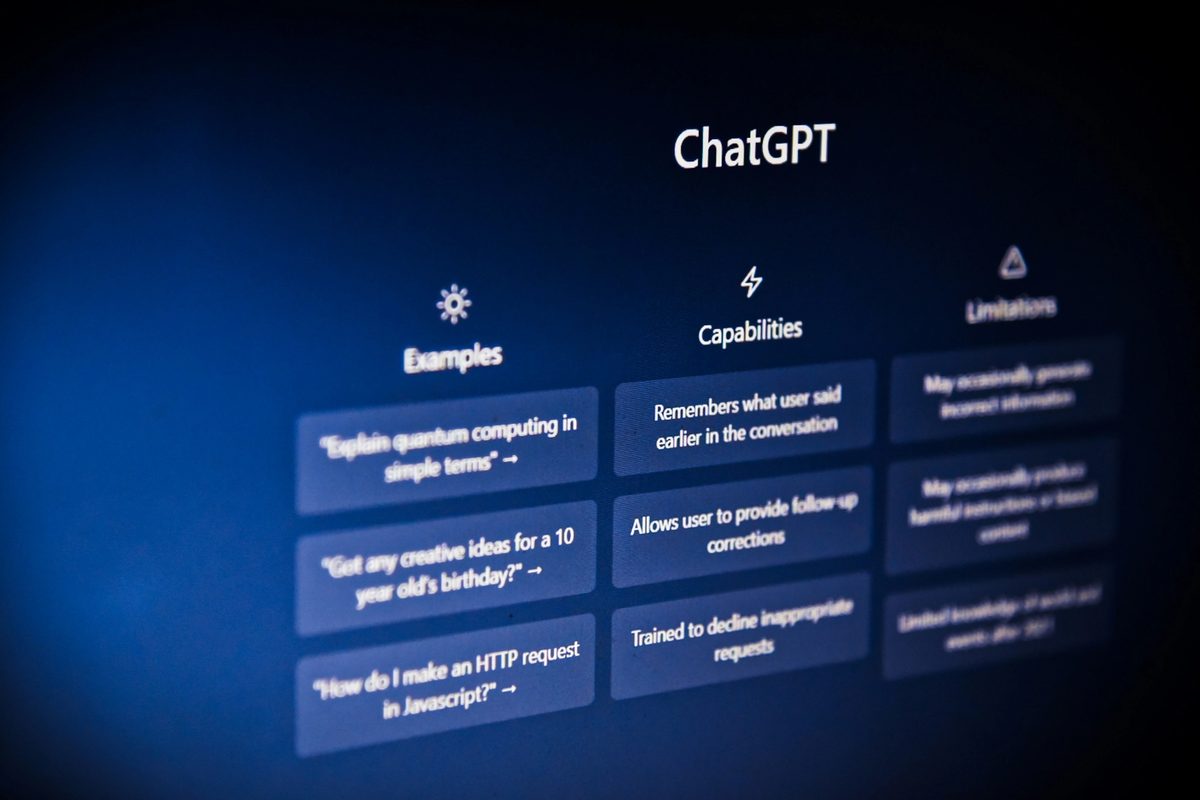
To maximize the benefits of AI tools in learning new programming languages, it's crucial to customize your learning environment. Start by selecting AI tools that align with your specific learning style and the language you intend to learn. GitHub Copilot, for instance, supports numerous programming languages and could serve as a valuable addition to your toolkit. However, integrating traditional learning resources such as video tutorials and textbooks will provide a structured learning path and deepen your understanding.
The Importance of Active Engagement and Contextualization
Active engagement is vital when using AI tools for learning. Instead of passively accepting AI-generated code, probe into why it's designed a certain way and how it functions. Providing context when interacting with AI tools enhances the relevance and accuracy of the guidance you receive. This practice promotes a deeper, more comprehensive understanding of the language, moving beyond memorization to skillful application and retention of knowledge.
Experimentation and Community Engagement
Experimentation is a substantial facet of learning with AI tools. Allow the AI to generate suggestions, but challenge yourself to assess and understand each recommendation's merits. This active experimentation will bolster your problem-solving skills and enhance your learning experience. Additionally, engaging with developer communities can provide support and insights beyond what AI tools offer. Discussions with peers, particularly those familiar with the language you’re learning, can yield invaluable advice and complement the AI-driven learning process.
Benefits of AI in Language Acquisition
When it comes to learning new programming languages, AI-driven tools offer a multitude of benefits that transform the process into a more efficient and personalized experience. Here are some of the notable advantages:
- Real-Time Assistance and Feedback
AI tools such as GitHub Copilot provide real-time assistance by offering context-aware code completion and instantaneous syntax error detection. This allows learners to quickly identify mistakes and understand the nuances of a programming language as they code. Since these tools are trained on vast repositories of publicly available code, they can offer examples and documentation that improve comprehension and expedite the learning process. - Personalized Learning Paths
AI coding tools excel in customizing learning experiences to meet individual needs. These tools can adapt their suggestions based on a developer's proficiency level, ensuring that they are neither overwhelmed nor understimulated. For instance, a beginner might receive extensive guidance and code examples, while an experienced programmer would get suggestions that encourage deeper exploration and improvement in efficiency. This adaptive feature caters to various learning paces, enhancing overall engagement and productivity. - Time-Saving Efficience
With AI handling repetitive tasks such as code completion and debugging, learners can allocate more time to grasp core programming concepts and engage in more complex projects. For example, GitHub Copilot’s predictive text feature has been shown to accelerate task completion by 55%, allowing learners to focus more on understanding and applying concepts instead of mundane corrections. - Opportunities for Upskilling
As the tech landscape rapidly evolves, keeping up with emerging languages is essential. AI tools lower the barriers to learning new languages by providing the foundational knowledge swiftly. Whether it's learning Python for data science or Mojo for high-performance programs, AI facilitates quick adaptation, enabling developers to stay versatile in a competitive field. - Enhanced Error Correction and Learning Through Experimentation
These AI tools also serve as a safety net for experimentation. Learners can try different coding approaches and receive immediate feedback on errors, turning mistakes into valuable learning moments. By analyzing the corrections provided by AI, learners can gain a better understanding of language-specific best practices and enhance their problem-solving skills.
By offering these benefits, AI-powered tools can streamline the acquisition of new programming languages and empower developers to become more proficient and confident coders in today's multifaceted tech environment.